Richmond VA Roofing (804) 621-5404 Need a free estimate? Give us a call!
Interlocking Clay Tile Roofing
Clay Tile Roofing or Spanish Tile
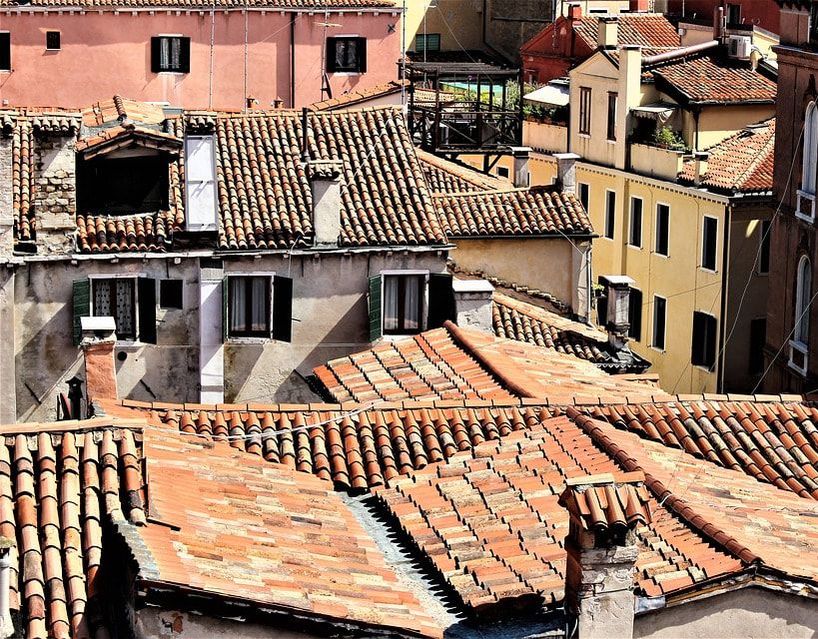
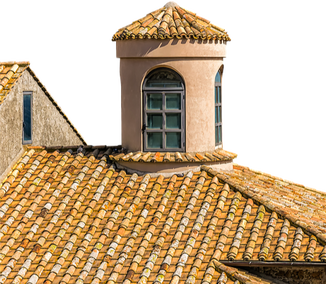
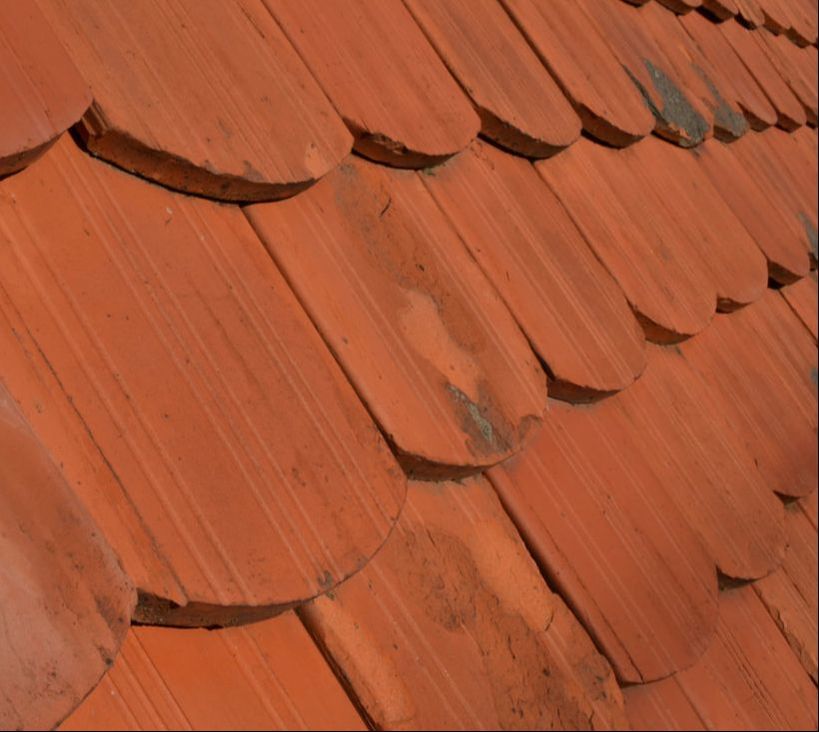
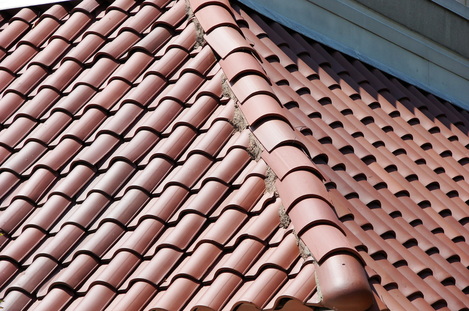
Clay tiles have a traditional, natural look that recalls romantic visions of Spanish villas or the vineyards of Italy and France. They are manufactured from clay - a readily renewable resource - and water. They are then fired at high temperatures till they are dry and strong. Due to their minimal water absorption, they resist cracking in high heat (they are fired after all) and during freezes. Clay tile roofs have a very long lifespan of about 100 years; making them one of the most durable roofing materials available.
Clay Tiles are very heavy, so the roof must be constructed to support additional weight. Additionally, most clay or concrete tile manufactures do not recommend walking on them due to a high probability of damage. They are similar in expense to wood roofing but life expectancy is much longer and its fire resistance is exceptional.
The Origin of Clay Roofing Tiles
Chinese Imperial Palace
Clay Tile Roofs in Italy
Early American Clay Tile Roof
The origin of clay roofing tile can be traced back to very early civilizations (around 10,000 B.C.) of China and the Middle East and spreading from there through the rest of Asia and into Europe. Clay tile was desired and readily used because of its common availability, durability, easy repairs, fireproof qualities and long lifespan (100 years or more depending on quality). The first settlers in America also used clay roofing tiles in the English settlements of Roanoke and Jamestown where archaeologists have found pieces of clay roofing tiles during excavations. Clay roofing tiles continued to grow in popularity during the Colonial period in America because of fears of fire ravishing their cities. The Great Fire of London in 1666 and the Boston fire of 1679 were so devastating that it prompted establishment of building and fire codes in New York and Boston. Parts of the building and fire codes encouraged the use of clay tiles for roofs and remained in effect for nearly 200 years.
Traditional Clay Tile Colors
The word "terracotta" means fired earth. The traditional color most associated with terracotta tiles is orange or reddish brown. The reddish color comes from a large percentage of iron oxide in the clay but variations of the percentage of iron oxide produce colors ranging from deep reddish brown to pale orange or even pink. Tan and smoky black or brown colored clay tiles were also available. Tan or buff colored tiles are made from mostly from pure clay. To produce the smoky black or brown tiles, they are glazed with a manganese water solution before firing. Later more colored glazes, such as purple, blue, and green became available and increasingly popular.
Traditional Shapes
Traditional S-Clay Tile Shape
Traditional Half Barrel Clay Tile Shape
Flat Clay Tile Shape
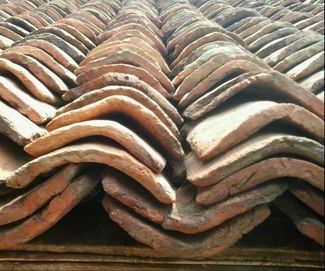
Two types of clay roofing tiles are offered interlocking and overlapping. Interlocking tiles come in pairs, where one tile has a lip or protruding piece that the other tile will hook over and lock the two together. Overlapping tiles function in pairs, with one tile covering part of the other and are fixed by nailing them in place.
One of the most traditional shapes, represented in some of the oldest existing specimens from archaeology digs, is the half-barrel terracotta style. Today tiles come in many colors, and their shapes include the S-shape, interlocking, and flat. We see roofs built with clay tiles throughout the world that have lasted hundreds of years. One factor in how long a clay tile lasts is ensuring that clay tiles have been baked all the way through - especially if they are being used in cold climates. Hard-fired clay tiles are less porous, and are dried all the way through internally, which makes them hold up very well to freeze and thaw cycles.
Benefits of Clay Tile Roofs
Clay tile roofs are very environmentally-friendly, last for decades, come in many appealing colors, and have excellent insulating qualities. Due to their shape and thickness they don't transfer heat to the interior of the building and can have a marked cooling effect compared to other roof materials. They also withstand hail, strong winds, and have a Class-A fire rating.
Installing a Clay Tile Roof
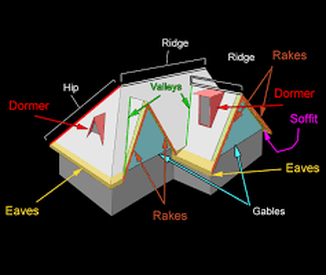
Diagram of a Complex Roof
Batten System for a Clay Tile Roof
Waterproof Underlayment for Roof
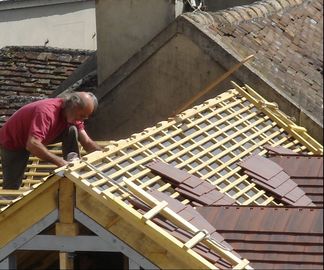
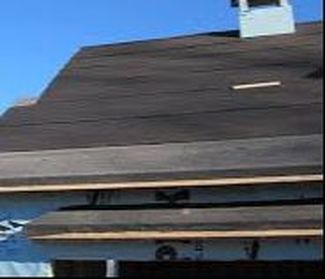
Installing clay tile roofs is more complex than some other roofing systems, and is best accomplished by roofing experts. Clay tile roofing requires understanding and experience of how to install the tiles without stepping on them, proper placement of waterproof underlayment specific to the type of tile, the tight fitting of flashings (waterproof collars around penetrations) for valleys, chimneys, solar panels and skylights. In addition, skilled cutting of the tile is required to fit the tiles along hips and valleys. Clay tiles are usually attached to the roof via roof battens, which are thin strips of wood placed vertically across the roof deck. This lifts the clay tile off the deck of the roof, increasing airflow. Also, battens minimize nail holes into the roof because the roofing tiles are nailed to the battens, not the roof deck.
Free Consultation
If you need repair for your clay tile roof or want to install a new tile roof, we are here to help! We can go over any questions you have and the various options available. Our quotes are free, and we provide free comprehensive estimates so you can know ahead of time how much things will cost. Give us a call or send us an email to schedule a time for us to come out to your home or business for a quote.